The Big Decision

It has now been four months since my trip ended. Although I miss my travels, I am glad to be back in a normal routine. After much reflecting, I have decided which type of agriculture I would like to base my marketing career around. Just two weeks ago, I moved to Wisconsin to start working for a milk company. The advertising aspect of dairy farming really captivated me. The competition is intense, and I thoroughly enjoy a good competition! I really appreciate that this industry does not depend on rainfall. In addition, the rate at which milk has been sold in the United States has never slowed, which is relieving. One disadvantage of working in the dairy industry is a gradual decrease in salary, but other than that I have high hopes for my new career. Thanks so much for journeying alongside me!

Shifting Cultivation in Brazil

My very last stop was Brazil, a developed country that takes up much of the eastern South American coast. I visited and interviewed a shifting cultivation farmer there, and, although Brazil is a developed country, I learned that shifting cultivation farming is commonly practiced in lesser developed countries (it is commonly practiced in Southern Africa). Shifting cultivation is a type of farming in which plot of land are used for farming temporarily and then abandoned. The land reverts to its natural vegetation after some time. This practice preserves soil fertility by relocating cultivation once the soil has shown exhaustion. One common type of shifting cultivation is the slash and burn method – forested land is cleared and remaining vegetation is burned. Since shifting cultivation is a form of subsistence form of farming, there are not many ways to advertise for it. However, the slash and burn method has recently led to an uproar of forest fires in Brazil, which has caused many across the world to despise the method, speaking out against it.

Strengths: good for soil

Challenges: destruction of rain forests, not very efficient

Plantation Farming in Bolivia

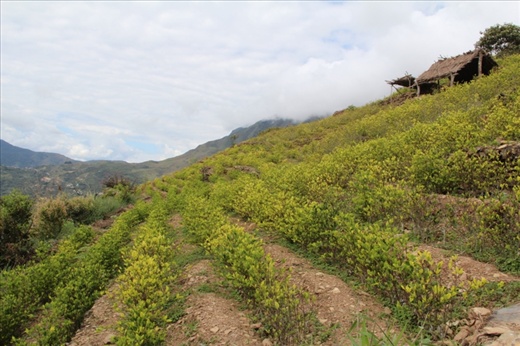
After Argentina, I headed north to Bolivia, a developing country in central South America. In Bolivia, I learned about plantation farming, a form of subsistence farming that is defined by the production of one or more cash crops on a large plot of land. Bolivian plantations usually grow coca, coffee, and various grains. Because plantation farming is a type of subsistence farming, it does not really suit my interests. I really enjoyed my stay in Bolivia, though!

Strengths: produces large amounts of crops

Challenges: most crops are shipped off to MDCs instead of LDCs, high dependency on climate and rainfall

Ranching in Argentina

After Italy, I journeyed all the way to South America. My first stop was at the Southern end of the continent, Patagonia, and I visited Argentina. Argentina is in Stage 4 of the Demographic Transition Model, meaning it is a more developed country. The point of my trip to Argentina was to learn about ranching. Ranching is a commercial form of agriculture in which farmers practice raising herds of animals on large areas of land. Ranchers commonly raise cattle and sheep. I visited a cattle farm in Argentina. When advertising cattle ranching, farmers want to include any strong aspects of their cows.

Advantages: grazing improves the habitat

Disadvantages: cattle require one-on-one physical maintenance, adequate storage for feed and tools is needed, cattle produce a lot of waste, cattle are prone to disease

Mediterranean Farming in Italy

I was ecstatic to visit Italy and to learn about Mediterranean Agriculture. Italy is a most developed country located in Europe. Mediterranean farming is a type of commercial farming, it is practiced in Mediterranean climate, and is mostly horticulture, the act of garden cultivation and management. There are four main types of farming that are practiced in the Mediterranean: orchard farming, viticulture, cereal cultivation, and vegetable cultivation. Some products grown from Mediterranean farming in Italy are figs, olives, pistachios, pears, and grapes. The main cash crops produced from Mediterranean agriculture are grapes and olives because they go into making wine and olive oil. Mediterranean cuisine is enjoyed throughout the world, so advertising can include popular and well-liked dishes.

Strengths: good economic opportunity

Challenges: depends heavily on rainfall and climate

Mixed Farming in Malaysia

After my visit in Thailand was complete, I headed south to Malaysia, in effort to learn about subsistence mixed farming. Malaysia is a least developed country located in Southeast Asia. Mixed farming is a type of farming in which a farmer conducts different agricultural practices together, such as cash crops and livestock. This type of farming involves cultivating crops, while also raising animals for meat or milk on the same farm. I did not find mixed farming very captivating due to the fact that it is missing the marketing aspect.

Strengths: work throughout the whole year, farmers do not have to rely on only one source

Challenges: more tools and equipment are required

Wet-Rice Farming in Thailand

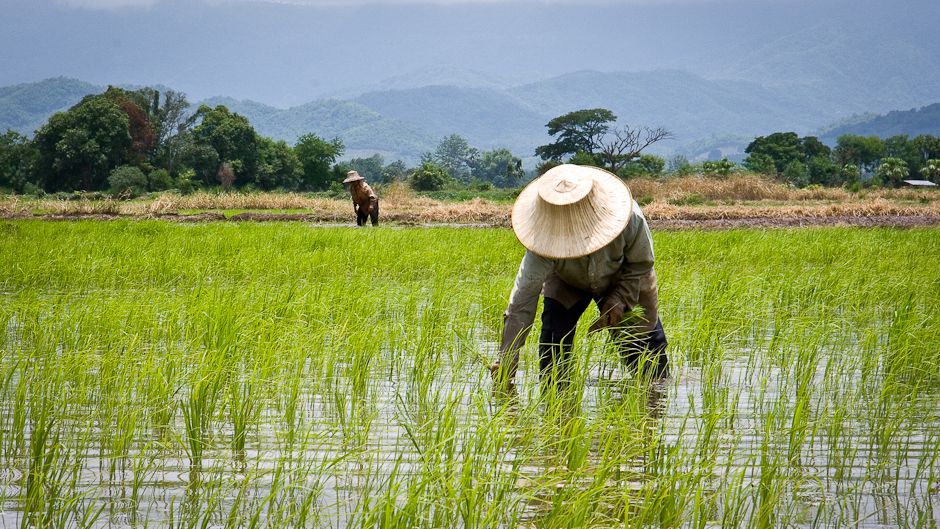
Thailand, a least developed country in Southeast Asia, is one of the many places that houses wet-rice farming. Wet-rice farming is a form of subsistence agriculture in which farmers must expend a large amount of effort to produce the maximum feasible yield from a parcel of land. Rice is cultivated in flooded fields. The wet-rice process includes drowning the rice in hot water for an extended amount of time. The rice is stained yellow by the water, giving it a distinct flavor and taste. Because wet-rice farming is a subsistence form of agriculture, marketing and advertising is not needed. Because of the lack of advertising in this branch of farming, I am not super interested in practicing it.

Strengths: wet-rice can be grown in a variety of environmental conditions, there are a variety of different effective wet-rice farming techniques

Challenges: high rain fall is necessary, labor intensive

Dairying in Minnesota

After visiting Arizona, I headed north to Minnesota. Minnesota is located in the upper Midwest region of the United States (MDC). Dairying is a commercial agricultural activity which involves the raising of livestock for dairy products. Minnesota is responsible for much of the United States’s dairy production, and the state is home to an estimated 3,470 dairy farms. From discussion with multiple dairy farmers, I have gathered that the most important aspect of dairy marketing is identifying your competition and audience. Paying close attention to the details of your dairy products is also key, an in-depth look at your products and what goes into producing them will give you a good understanding of your product’s advantages. It is good to promote facts such as hormone-free feeding for the livestock.

Strengths: industry is not dependent of rainfall, the rate at which milk has been sold has not previously decreased, income is guaranteed every month

Challenges: farmers are gradually being paid less and less for the milk they produce

Gardening in Arizona

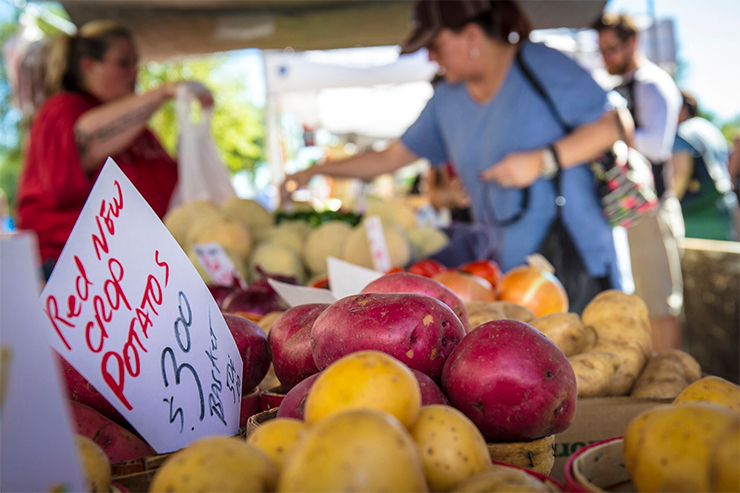
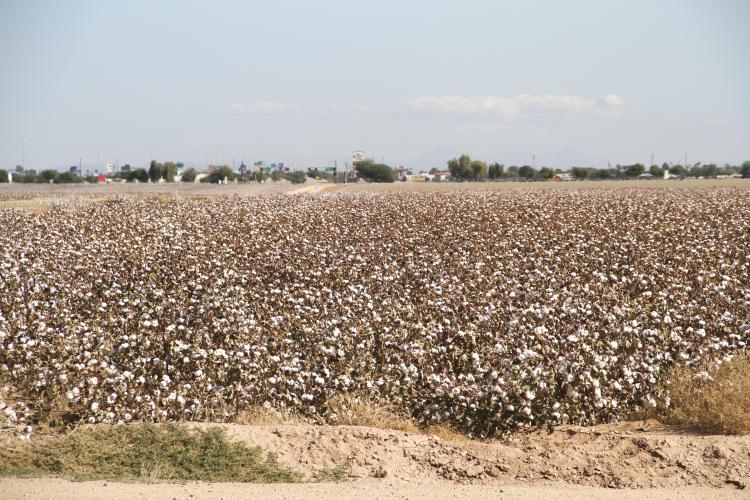
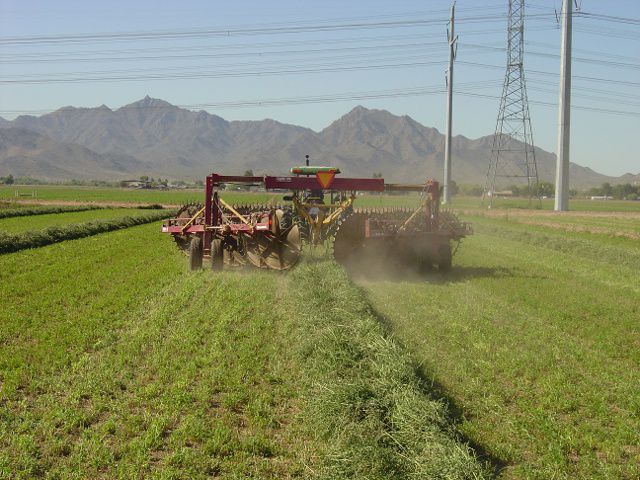
My first stop was Arizona, which is located in Southwestern United States (MDC). A variety of crops are grown in Arizona, including alfalfa, hay, corn, cotton, wheat, citrus, olives, and potatoes. Commercial gardening is common in Arizona, which is the sale of agricultural products off the farm. The produce from commercial farming are usually sold to local grocery stores. After interviewing commercial gardeners, I have concluded that in order to sell produce commercially, gardeners must have a strong marketing plan. They have to be sure to grow enough of each crop, test the quality of their produce, and decide whether or not they should directly or indirectly sell to their customers.

Strengths: feeds a good amount of people with minimal work

Challenges: machinery is expensive, money and success is not promised

Nomadism in Nepal

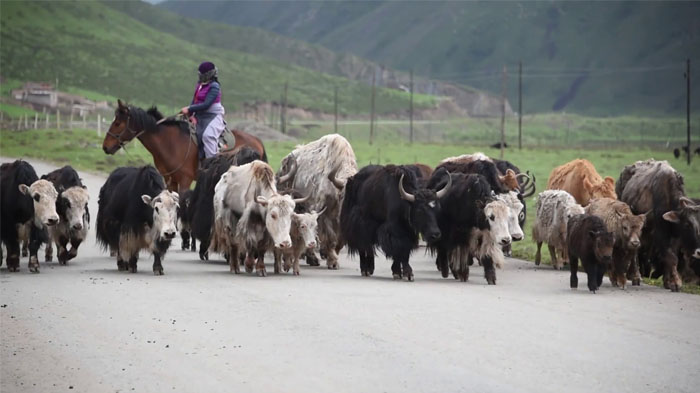
I was super excited to learn about nomadism in Nepal. Nepal (LDC) is located in Southern Asia. Pastoral nomadism is a form of subsistence agriculture based on herding domesticated animals, animals that have been accustomed to human provision and control. Nomads depend on animals, rather than crops, for survival. Some nomads practice transhumance, which is the seasonal movement of human groups. The animals that nomads select are chosen based on physical characteristics and culture. Nomads do not participate in much advertising, so, although their branch of agriculture is very interesting, I will not be considering this specific type of farming.

Strengths: lots of precipitation is not necessary

Challenges: declining due to technology, governments frown upon pastoral nomadism

Design a site like this with WordPress.com
Get started